

Today: 9:00AM - 8:00PM
Blog / El Paso Kia Service

Observing National Seat Belt Day on November 14th

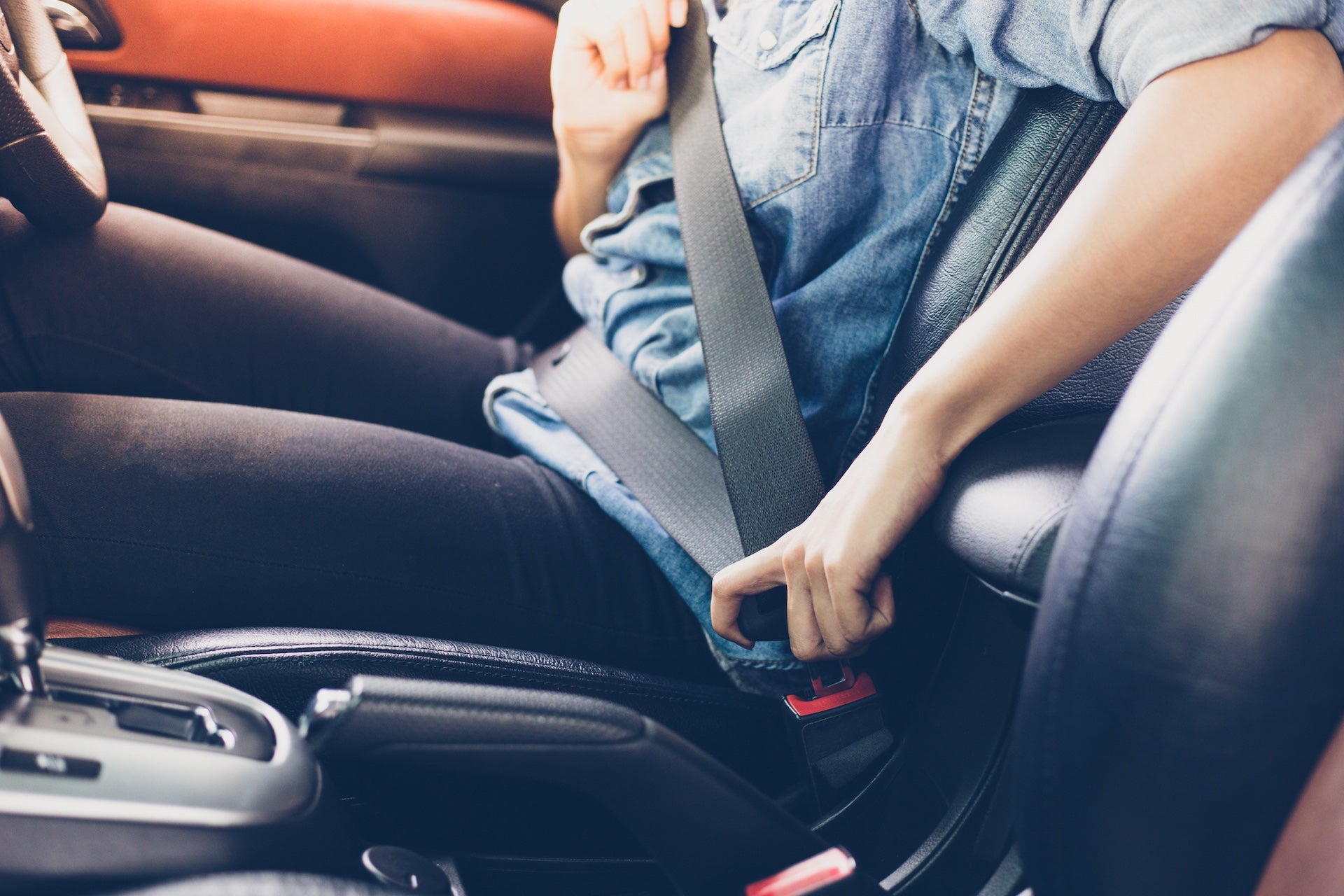
Asian woman fastening seat belt in the car, safety concept

On November 14th each year, we recognize National Seat Belt Day, highlighting the life-saving capabilities of that straightforward buckle. This occasion provides a chance to reflect on the historical relevance of seat belts while also raising awareness about their essential role in maintaining road safety.

The Importance of National Seat Belt Day Matters

Established in 2019 by the Governors Highway Safety Association (GHSA), alongside Uber and Volvo, National Seat Belt Day serves as a vital reminder of the importance of the three-point seat belt, originally designed by Nils Bohlin in 1959. This simple yet revolutionary invention has proven to be one of the most significant safety advancements in automotive history, saving countless lives and remaining a key element of vehicle safety. Often underestimated, the seat belt is a quiet champion of road safety. Consider these striking statistics: seat belts decrease fatalities by 45% for front-seat occupants and drivers, cut serious injuries by 50%, and work in tandem with airbags—making their use crucial since unrestrained passengers can face greater risks.

Observing National Seat Belt Day

Buckling up every time you get into a vehicle is a simple yet crucial action for your safety. By wearing your seat belt consistently, you can significantly reduce the risk of injury. Be a role model and encourage those around you to do the same, ensuring all passengers are properly buckled up, whether it's a short drive or a long journey.

Spread awareness about the importance of seat belts through conversations and social media. Share stories, statistics, and experiences to emphasize why buckling up is vital. Educating children on this habit can lead to lifelong safety practices. Engage them with activities like the Buckle Up Buddy Heart craft and Ride Safe activity sheet to teach road safety effectively.

The History of Seat Belts and Road Safety

The history of seat belts is a testament to progress in automotive safety. From the first patent by Edward J. Claghorn in 1889 to the mandatory inclusion of seat belts in all U.S.-manufactured vehicles by 1968, the evolution of seat belt usage reflects a growing commitment to protecting lives on the road.

Despite initial resistance, where critics argued that seat belts might trap passengers during accidents, the evidence soon proved otherwise. By 1968, seat belts were a federal requirement, and their use has been steadily increasing, with the national usage rate rising from 58% in 1994 to nearly 92% in 2023.

Fast Facts About Seat Belts

  1. Influence on Youth: Children whose parents use seat belts are more likely to buckle up themselves.
  2. Rural vs. Urban: Despite assumptions of safety, rural areas often see higher rates of unrestrained fatalities.
  3. Back Seat Safety: Rear-seat passengers must also buckle up to ensure maximum safety during a crash.

Buckle Up, Every Time, Everywhere!

National Seat Belt Day is more than just a date on the calendar; it's a call to action. It’s a reminder that we hold the power to protect ourselves and our loved ones with the simple act of buckling up. This November 14th, Visit Casa Kia in Texas to celebrate the innovation of the seat belt with Kia’s commitment to safety and make every ride a safe one.Share the message, inform those in your circle, and above all, buckle up every time you enter a vehicle. Keep in mind, it's not merely about dodging a fine—it's about protecting lives. If your vehicle needs maintenance to guarantee safety, stop by our service center for top-notch repairs, parts, and tires! We can’t wait to assist you.

Posted in:

Related Posts

Celebrate the End of National Car Care Month

April is National Car Care Month, and we know what you’re probably thinking: why? It can be easy to forget, but outside of the El Paso area, most of the country has to trudge through long, cumbersome winters. Thus, April has become the designated time to recoup after the winter, handling any maintenance issues that may have gone ignored and making sure your vehicle is set for the rainy season ahead. Although we don’t have to deal with as many elemental nuisances as car owners in the north and northeast, the stormy summer months are still right around the corner. That makes April the ideal month to inspect each component of your car, ensuring it’s in top shape for the year ahead. For your convenience, Casa Kia has prepared a list of maintenance tips you should adhere to as April winds to a close. 1. Check and/or Replace Your Tires Our tires thankfully don’t get affected by winter weather, where each 10-degree drop can cause their air pressure to lose a full PSI. Nevertheless, checking the state of your tires is an appropriate way to kick off National Car Care Month. You should get your tires aligned at least once a year – which the trained technicians at our Service Center can handle for you.  Check your air pressure to make sure your tires are at their optimal PSI, as indicated by the sticker inside your driver’s door. Lastly, check the wear on your treads; if they’re showing significant wear or damage, we’ll help you find a perfect set of new tires for your vehicle. 2. Check Your Brakes You should check your tires so you can get where you want to be. Conversely, inspect your brakes to prevent winding up where you don’t want to be. If you hear any squealing, squeaking, or other irregular noises emanating from your brakes, it’s time to schedule your service immediately. Squealing brakes are most likely a sign that your brake pads are thinning. Your brakes’ rotors, linings, and drums should all be thoroughly inspected. An ideal time to do this is during every oil change. Speaking of... 3. Get Your Oil Changed It used to be that every 3,000 miles was the standard checkpoint to change your oil. Thanks to modern lubricants, that number has shifted to intervals of 5,000-7,500 miles. (That number can climb significantly higher if your car’s engine requires full-synthetic oil.) Although it’s convenient to have to change our oil less frequently, it also makes us more susceptible to forgetting about it altogether. To ensure it doesn't slip your mind, make April your regular time of year for a standard oil change. 4. Refill All Other Fluids Your car is thirsty by nature, and it takes more than motor oil to quench it. Check your brake fluid, transmission fluid, power steering fluid, coolant, and windshield washer fluid, refilling them to their recommended levels. As the heat intensifies this summer and storms develop, these various fluids will be instrumental to both your car's health and your personal safety. 5. Clean Your Car It’s spring-cleaning season – an exercise that shouldn’t be limited to your home. Give your car a thorough wash to relieve it from all this dry air. If you take it to one of our local car washes – such as El Paso’s Splash N’ Dash – be sure to take advantage of any available vacuums, cleaning out all the dirt and debris that might have accumulated over the past few months. Take Care of Your Spring Maintenance at Casa Kia If this spring checklist seems daunting, don’t fear; you don’t have to tackle everything yourself. At Casa Kia, our expert service technicians are here to handle all your spring maintenance needs. From tire rotations to parts replacement, we’ll handle all the maintenance your vehicle requires in one convenient stop. Celebrate National Car Care Month the right way by taking your vehicle to Casa Kia: El Paso’s number one Kia dealership.

How Well Do You Know Your Tires?

As a vehicle owner, it is imperative that you know how old your tires are. And not only should you know their age, but you need to always know their condition as well. This information could save your vehicle and could even potentially save your life. Tire Pressure Tire pressure is perhaps one of the most important things when it comes to safely driving a vehicle. It’s very important that the pressure is just right in each one of your tires. You need to know what the correct levels are. You can usually get this information from the sticker on the inside of the driver’s door, or you can find it in your owner’s manual. Once you know what they are supposed to be you can adjust them accordingly. Under-inflated and over-inflated tires can be very dangerous for a number of different reasons. Tire Damage Keep a close eye on the condition of your tires. If you notice anything wrong with them, such as cuts, cracks, bulges, balding, or excessive wear, heed the warning and get it taken care of immediately. All tires will need to be replaced eventually as they age, that is inevitable, but some factors may cause them to have to be replaced sooner than normal. This could be from the type of conditions that you drive in, or how aggressive of a driver you are. Things like snow, ice, and burning rubber from accelerating or braking too quickly can definitely age your tires faster, too.

Protect Your Car from Sun Damage With These Tips

When you live in a bright city like El Paso, you get the advantage of beautiful sunshine all year long. Unfortunately, all those bright UV rays can do damage to your vehicle. Follow these tips from Integrity Kia on how to protect your vehicle from the sun and heat. Keep on Top of Your Tire Pressure Heat from the sun causes the pavement temperatures to skyrocket. Combined with under inflated tires, the hot pavement can cause tires to blow out. Even the best tires may lose close to a pound of pressure each month, so it is important that you check the pressure regularly, especially on very hot days. Follow the recommended tire pressure from your vehicle manufacturer. Wax Regularly After a wash, a layer of wax between the paint job of your car and the sun's UV rays is an excellent way to protect the exterior. How often your car should be waxed varies based on the make and model, the kind of wax being used and the time of year. At a minimum, you should wax your car twice a year. Not only will it protect the car, but it will make it look shiny and defend it from other damage like bird droppings. Park in a Shady Area If you don't have a garage, try to park in an area shaded by houses or buildings. (Parking under trees can lad to bird droppings, leaves and sticks on your car). This will prevent your interior from heating up and causing cracks in the dashboard and vinyl or leather upholstery. Wash and Dry Regularly Heat and sun can cause the paint to fade and crack. By regularly washing and hand drying your car, you will be able to remove dust and dirt particles that can cause tiny scratches and dull the finish. Try to wash your car at least once every other week, depending on how dirty it gets. Follow these tips and you should have no problem keeping your vehicle protected from the harmful UV rays of the sun!