

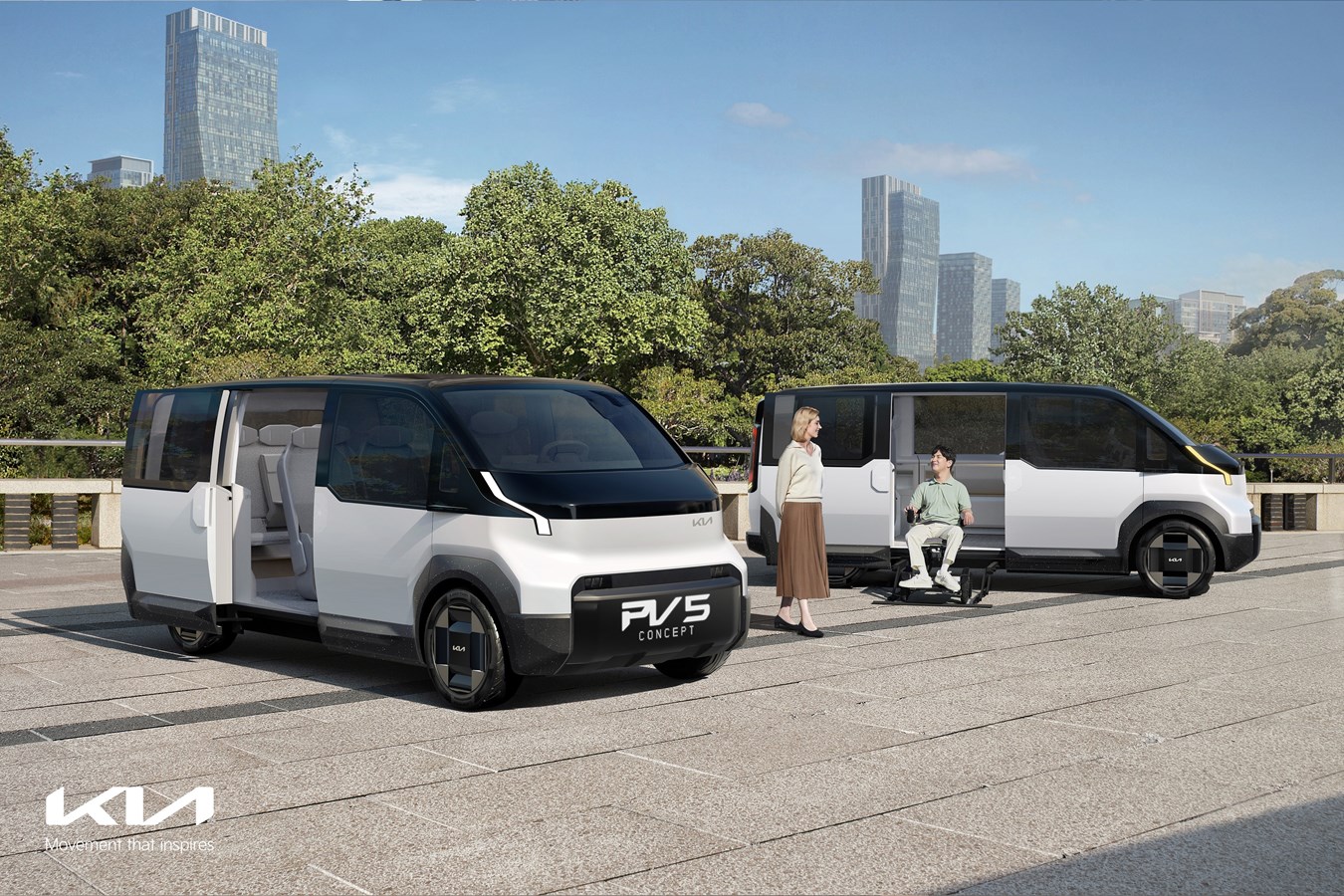
Things just got interesting in the electric van space! Kia has launched the all-new PV5, a van built for both practicality and innovation. Ideal for anyone—from those embracing van life to families desiring a roomy, green vehicle—the PV5 may just be the game-changer electric vans have been waiting for.
An All-Electric Van with Remarkable Modularity
What sets the Kia PV5 apart is its incredibly modular design. Built on the advanced E-GMP.S platform, this “skateboard-style” chassis allows Kia to produce a variety of configurations tailored to different needs. Combining functionality and creativity, Kia calls this approach its “Flexible Body System“—and the possibilities are nearly endless:
- Passenger Version: The three-row seating layout is perfect for families or ride-hailing services like Uber. The seats can be folded and adapted for multiple configurations, giving owners unmatched flexibility.
- Cargo Version: Offered in standard, long, and high-roof configurations, it provides ample cargo space—over 180 cubic feet and the ability to fit two Euro-sized pallets. It’s even equipped with a walk-through option, ensuring quick access to cargo for delivery businesses.
- Chassis Cab: This version is a blank slate, ideal for customization into a box van, freezer unit, or any other specialized design.
There’s plenty more to come, including crew and light camper setups, and a wheelchair-accessible model (WAV) designed with inclusivity at its core.
Wheelchair Accessibility, Redefined
One of the standout features of the PV5 lineup is its wheelchair-accessible model (WAV). Breaking new ground in accessibility, this version offers a side ramp (supporting up to 661 pounds) for seamless curbside access. It also includes a state-of-the-art universal belt-fastening system, ensuring safety and convenience for wheelchair users.
What’s particularly impressive is that Kia didn’t stop at functionality. The WAV version still allows for third-row tip-up seating so friends and family can share the ride, making this a truly inclusive option.
Electric Van Powertrain and Performance
The Kia PV5 offers impressive power and range, making it a strong player in the EV market. Powered by a 161-hp electric motor with 184 lb-ft of torque, it delivers smooth, reliable performance. Buyers can choose from three battery options: a 51.5 kWh or 71.2 kWh Nickel-Manganese-Cobalt battery, or a 43.3 kWh Lithium-Iron-Phosphate battery. The 71.2 kWh option delivers up to 248 miles of range (WLTP), perfect for city commutes or road trips. Fast charging takes the battery from 10% to 80% in just 30 minutes, ensuring minimal downtime.
A Cabin Built for the Future
Step inside the Kia PV5, and you’ll discover a cabin that balances functionality with style. Using eco-friendly, durable materials in colors like Deep Navy, Terracotta Brown, and Iceberg Green, Kia has crafted a modern interior designed for long-lasting use.
At the heart of the cabin is the “driver zone,” featuring a tech-savvy 7-inch digital gauge cluster and a 12.9-inch infotainment screen powered by Android Automotive OS. Add smart features like the Digital Key app, and you’re looking at a whole new level of connectivity.
Kia is also launching “Kia AddGear,” which offers a variety of modular accessories. This gives users the freedom to further personalize their PV5, whether they’re designing a camper, a delivery van, or a family vehicle.
Why the Kia PV5 Stands Out From the Competition
The Kia PV5 is a strong contender in the growing electric van market, standing out against competitors like the VW ID.Buzz, Ford E-Transit, and Mercedes-Benz eSprinter. It offers unmatched versatility, adapting seamlessly to personal, commercial, or specialized uses such as wheelchair accessibility, catering to various lifestyles and industry needs. With a nearly 250-mile range and a 30-minute fast-charging capability, the PV5 is built to handle both daily driving and recreational adventures with ease. Kia also emphasizes sustainability by integrating eco-friendly materials and offering electric powertrains across all configurations, blending environmental responsibility with innovative design. Additionally, the PV5 shows promise as an affordable camper option, with potential partnerships with camper outfitters that could make it a game-changer for the van life community.
Could This Be the Future of Electric Vans?
With its groundbreaking features, adaptable design, and focus on inclusivity, the Kia PV5 promises to reshape how we think of electric vans. Whether you’re a family in need of flexible seating, a business owner prioritizing efficiency, or a van lifer dreaming of hitting the road sustainably, the PV5 has something to offer.
Keep an eye on Kia for more updates, especially as camper and crew configurations are finalized. The PV5 may become the EV of choice for adventurers and professionals alike.
Until then, visit Casa Kia for all your Kia needs! From the spacious EV9 to the affordable Kia Forte, we have a vehicle for every lifestyle and need at unbeatable offers. Meet our friendly team today and discuss your financing options, schedule your next service appointment, or inquire about our rotating monthly specials – you might be surprised at what you find at Casa Kia!
![[Facebook]](https://www.casakia.com/blogs/912/wp-content/plugins/bookmarkify/facebook.png)
![[LinkedIn]](https://www.casakia.com/blogs/912/wp-content/plugins/bookmarkify/linkedin.png)
![[Twitter]](https://www.casakia.com/blogs/912/wp-content/plugins/bookmarkify/twitter.png)
![[Yahoo!]](https://www.casakia.com/blogs/912/wp-content/plugins/bookmarkify/yahoo.png)
![[Email]](https://www.casakia.com/blogs/912/wp-content/plugins/bookmarkify/email.png)
Recall Alert: Steps You Should Take Immediately

Your safety behind the wheel is crucial – but what steps should you take if your vehicle is recalled? It’s essential to treat every recall with urgency! Stay ahead of the game and avoid surprises with our simple, step-by-step guide.
What Is a Recall?
When there’s a recall, the National Highway Traffic Safety Administration (NHTSA) determines if a vehicle does not meet motor vehicle safety standards. Manufacturers are then required to file a report including details of the vehicle, the number of vehicles affected, equipment affected, a description of the defect, what led up to the decision to recall, an explanation, and a recall schedule. Registered owners must receive a recall notification from manufacturers by first-class mail within 60 days of the recall instructing owners on how to get the issue fixed, the time frame of the fix, and how long the repair should take.
Checking for Recalls Made Easy
One of the most efficient ways to check for recalls is by using your vehicle’s license plate on the NHTSA website. Though manufacturers are required to notify owners within 60 days, physical mail isn’t always reliable. If you’ve heard about a potential recall or have concerns regarding your car’s make and model, searching with your car’s license plate or VIN on the NHTSA site is the simplest way to get accurate and timely information.
What To Do When Your Car Is Recalled?
Once you find out if the recall applies to your vehicle or parts, there are three options: repair, replace, or refund. By law, the manufacturer must choose one of the three options to correct the issue. If the manufacturer has chosen repair, your vehicle or part must be repaired by the manufacturer at no cost to the vehicle owner. Replacement means that if the problem can’t be fixed, the manufacturer must provide you with another similar or identical model. A refund option involves the manufacturer refunding the purchase price of your vehicle, minus depreciation. These options also apply to accessories such as car seats.
Your recall letter or warning should notify you if your car is too dangerous to drive. Regardless, the recall issue should be resolved immediately by taking your vehicle to a local authorized dealership matching the make of your car. Remember, the bigger the recall, the longer the waitlist for an appointment.
How to Book a Recall Repair Appointment at (Dealer Name)
Recalls must be done at dealerships for recording purposes, quality monitoring, and making recalled parts available to manufacturers for inspection. While the NHTSA gives manufacturers a grace period for repairs to be made available after a recall, you should contact your local dealership to book an appointment as early as possible to beat the crowds. Establishing a friendly relationship with your local registered dealership can pay off during a difficult recall period!
Has your vehicle been recalled? Call Casa Kia immediately to book your recall repair appointment and ensure your vehicle functions to its intended safety guidelines and performs its best. Our team is happy to help, from minor service to full recall assistance!
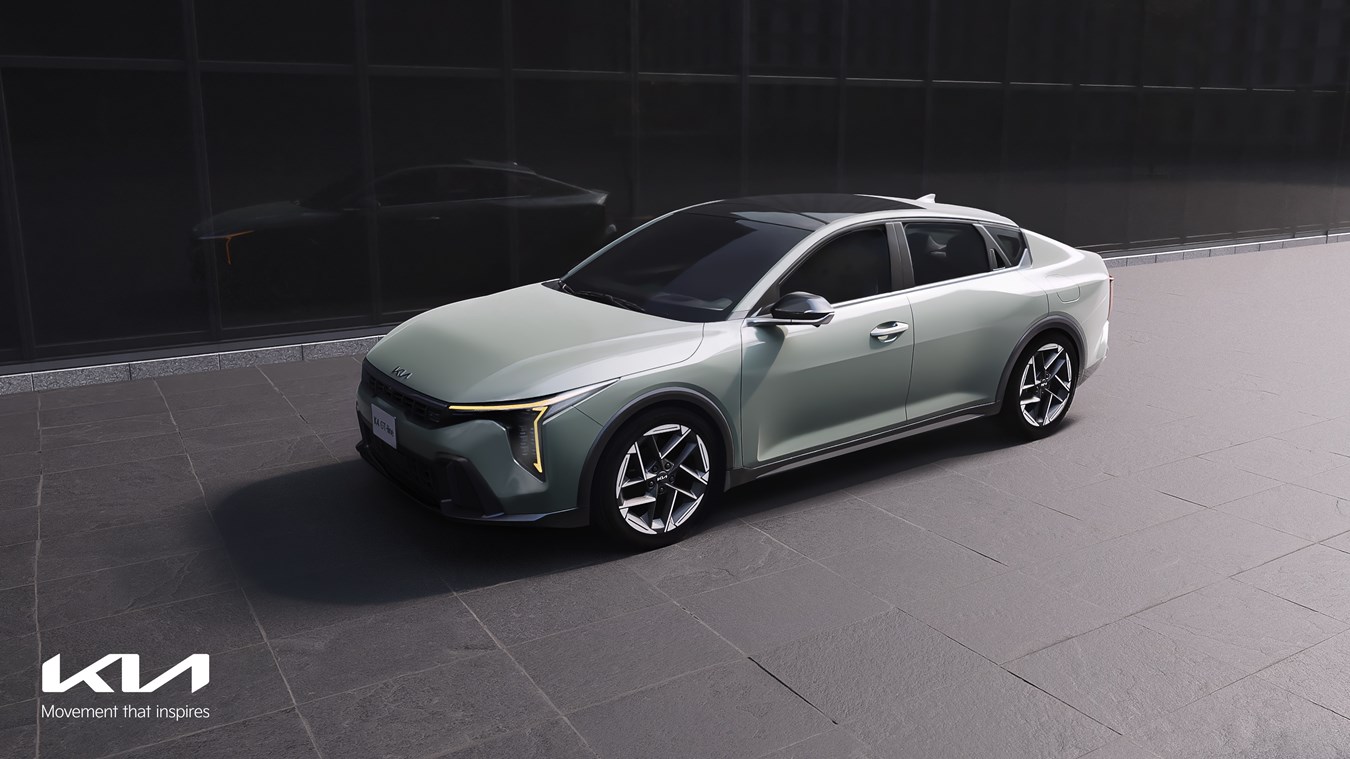
Both the 2025 Kia K4 and Hyundai Sonata are pushing boundaries in the sedan segment, each boasting exciting new advancements. While they come from the same South Korean parent company, they stand apart in terms of styling, driving dynamics, and available features. In this comparison, we’ll help you decide whether the sporty edge or family-friendly comfort suits you best.
The 2025 Kia K4
The 2025 Kia K4 is a bold newcomer with a sporty fastback design, replacing the outgoing Forte. It combines the practicality of a compact sedan with modern styling, making it an excellent option for those prioritizing efficiency and affordability with a touch of fun.
Performance
The Kia K4 comes with two engine options. The base engine is a 147-hp 2.0-liter four-cylinder paired with a CVT. While efficient, this setup feels sluggish for buyers looking for a more dynamic driving experience. For those seeking extra excitement, the GT-Line Turbo offers a 190-hp turbocharged 1.6-liter four-cylinder paired with an 8-speed automatic transmission. It’s reasonably quick, reaching 0-60 mph in 7.3 seconds, though not as sporty as some competitors like the Mazda 3. The GT-Line Turbo also benefits from a multi-link rear suspension, providing better handling compared to the torsion beam setup in the other trims.
Fuel Economy
Fuel efficiency is a standout feature of the Kia K4. The base engine achieves an impressive 30 mpg in the city and 40 mpg on the highway. The GT-Line Turbo, while slightly less efficient, delivers 26 mpg in the city and 36 mpg on the highway, with a real-world result of 35 mpg on the highway.
Interior and Technology
Inside, the K4 presents a refined cabin with clean, uncluttered lines and a user-friendly dashboard that emphasizes practicality without sacrificing style. A 12.3-inch touchscreen is standard, with the option to upgrade to dual 12.3-inch screens for a more immersive experience. Wireless Apple CarPlay and Android Auto come as standard, and there are traditional physical buttons for key functions like climate control—offering a tactile option amid the predominance of digital interfaces. The cargo space is sufficient for most needs, though some might find the positioning of the climate control touchscreen a little obstructive.
Safety and Driver Assistance
The Kia K4 is equipped with advanced safety features designed to ensure peace of mind on the road. Standard safety technology includes automated emergency braking with pedestrian detection and lane-departure warning with lane-keeping assist. Adaptive cruise control with lane-centering is available on higher trims, adding to its appeal.
Warranty and Pricing
Kia’s impressive warranty enhances the K4’s value, covering 5 years or 60,000 miles, with a powertrain warranty of 10 years or 100,000 miles. Starting at $23,145, the K4 is an affordable option, even with upgrades like the GT-Line Turbo priced under $30,000.
With its blend of practicality, style, and technology, the Kia K4 stands out in the compact sedan segment.
The 2025 Hyundai Sonata
The 2025 Hyundai Sonata is a remarkable family sedan that sets new standards in its class. With its modern design, advanced features, and versatile powertrain options, the Sonata caters to drivers who value both style and performance.
Modern Design and Versatile Powertrains
The 2025 Hyundai Sonata continues to raise the bar in the family sedan category. With its sleek design, robust features, and multiple powertrain options, it caters to drivers seeking a versatile and comfortable ride.
Powertrain Options for Every Driver
The Sonata offers a range of powertrains to suit varying preferences. The base engine is a 192-hp 2.5-liter four-cylinder, providing a smooth and reliable driving experience. For those focused on fuel efficiency, the hybrid option delivers 192 horsepower and seamless transitions, though acceleration may feel modest. For performance enthusiasts, the N Line model ups the ante with a 290-hp turbocharged four-cylinder engine, achieving 0-60 mph in just 5.0 seconds while maintaining ride comfort.
Impressive Fuel Economy Across Trims
Fuel efficiency varies by trim, with the hybrid being the standout at 44 mpg city and 51 mpg highway, even hitting a real-world 51 mpg on the highway. The base engine achieves up to 25 mpg city and 36 mpg highway, while the sporty N Line offers 23 mpg city and 32 mpg highway.
Spacious Interior and Advanced Technology
Inside, the Sonata impresses with a roomy and upscale interior that exceeds expectations for its price point. The infotainment system features dual 12.3-inch displays seamlessly integrated into the dashboard, along with wireless Apple CarPlay, Android Auto, and an optional Bose 12-speaker audio system. Cargo space is equally impressive, offering 16 cubic feet of storage, enough to hold up to seven carry-on suitcases.
Safety Features and Technology
Hyundai prioritizes safety with its SmartSense package, which includes forward-collision warning, automated emergency braking, lane-keeping assist, and adaptive cruise control as standard. Higher trims add optional features like parking assist for enhanced convenience.
Strong Warranty and Competitive Pricing
The Sonata is backed by Hyundai’s comprehensive warranty, including a 5-year/60,000-mile limited warranty and a 10-year/100,000-mile powertrain warranty. Complimentary maintenance is also covered for 3 years/36,000 miles. With pricing options ranging from the affordable SE trim to the performance-oriented N Line, the 2025 Hyundai Sonata delivers an excellent balance of versatility, comfort, and performance.
Final Verdict – Which Should You Choose?
The Kia K4 and Hyundai Sonata both offer great features, so your choice depends on your needs. The K4 is a stylish, fuel-efficient compact sedan that’s budget-friendly, making it ideal for urban commuters. Meanwhile, the Sonata provides more interior space and comfort, along with various powertrain options, including the sporty N Line variant that offers performance the K4 doesn’t.
Whether you focus on practicality or performance, you can’t go wrong with these modern mid-size sedans. Still undecided? Visit Casa Kia today and test drive the 2025 Kia K4 to discover why Kia is the right choice for you. We look forward to seeing you at our dealership in El Paso County for all your new, pre-owned, service, and financing needs!
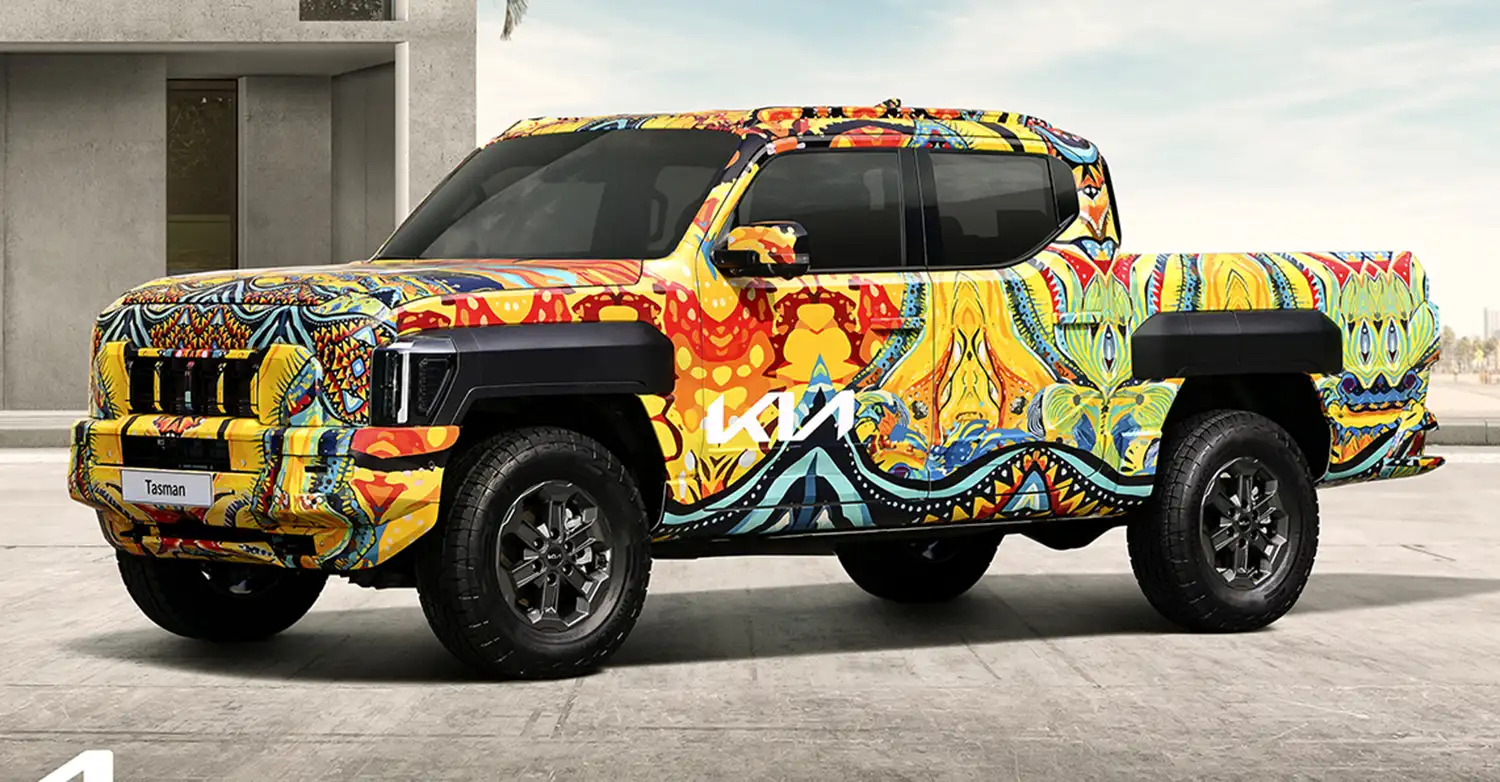
Kia’s debut pickup truck, the Tasman, has sent shockwaves through the automotive industry. Revealed at the 2024 Jeddah Auto Show, this groundbreaking model marks Kia’s bold foray into the pickup segment, blending cutting-edge technology with off-road strength. Though it’s not slated for U.S. release just yet, the Tasman offers a thrilling glimpse of what could soon be on American roads.
Kia’s First Pickup Adventure
The Tasman marks Kia’s foray into the pickup truck segment, and it’s clear the automaker is serious about making an impact. The midsize truck is built on a body-on-frame platform, emphasizing durability and strength. It’s packed with features designed to appeal to both adventurous drivers and those needing a reliable workhorse. With rear leaf springs, a live rear axle, and choices between gas and diesel powertrains, the Tasman is engineered for versatile performance.
The gas-powered version boasts a 2.5-liter inline-4 engine delivering 277 horsepower, paired exclusively with an 8-speed automatic transmission. For those seeking diesel power, the 2.2-liter turbocharged engine offers 207 horsepower with options for an automatic or 6-speed manual transmission. With towing capabilities up to 7,716 pounds and a maximum payload of 2,634 pounds, the Tasman is equipped to handle tough jobs.
Tech-Savvy and Ready to Connect
Kia has packed these vehicles with tech features aimed at enhancing the driving experience. Both models come with a 12.3-inch digital gauge cluster and a 12.3-inch touchscreen infotainment system. Connectivity is seamless with Apple CarPlay, Android Auto, and dual wireless charging pads. The Harman/Kardon audio system ensures high-quality sound, perfect for long road trips or daily commutes.
For off-road enthusiasts, the Tasman X-Pro variant offers all-terrain tires, increased ground clearance, and an electronic rear locking differential. Kia’s innovative Ground View Monitor uses cameras to provide a clear view of the terrain ahead, making challenging trails more navigable.
A Taste of What’s to Come
While the Tasman truck is not slated for U.S. release, they offer valuable insights into Kia’s future plans, especially its approach to utility vehicles. The automaker has hinted at developing an electric truck for the U.S. market as part of its ambitious goal to launch 14 EVs by 2027. Given the Tasman’s impressive features and Kia’s growing reputation for producing high-quality, stylish vehicles, the potential U.S. offerings could reshape the landscape of pickup trucks.
The introduction of the Kia Tasman truck showcases the brand’s commitment to innovation and adaptability in a competitive automotive market. Although these models may not immediately grace American roads, their advanced features and rugged capabilities hint at exciting possibilities. For Kia enthusiasts and future vehicle shoppers, the Tasman serves as a tantalizing glimpse into the stylish and functional design ethos that could define Kia’s next wave of vehicles in the U.S.
Stay tuned to see how Kia navigates this adventurous new chapter and what innovations will eventually make their way to the American market. Visit Casa Kia to test drive the rest of Kia’s fleet of gas, electric, and hybrid vehicles currently available! Whether you’re a fan of large vehicles or looking for the latest in cutting-edge automotive technology, Kia has something for everyone. With the Tasman leading the way, we can’t wait to see what’s next! Stay tuned for more updates as Kia continues to push boundaries and redefine what it means to drive in style and comfort.
Observing National Seat Belt Day on November 14th

On November 14th each year, we recognize National Seat Belt Day, highlighting the life-saving capabilities of that straightforward buckle. This occasion provides a chance to reflect on the historical relevance of seat belts while also raising awareness about their essential role in maintaining road safety.
The Importance of National Seat Belt Day Matters
Established in 2019 by the Governors Highway Safety Association (GHSA), alongside Uber and Volvo, National Seat Belt Day serves as a vital reminder of the importance of the three-point seat belt, originally designed by Nils Bohlin in 1959. This simple yet revolutionary invention has proven to be one of the most significant safety advancements in automotive history, saving countless lives and remaining a key element of vehicle safety. Often underestimated, the seat belt is a quiet champion of road safety. Consider these striking statistics: seat belts decrease fatalities by 45% for front-seat occupants and drivers, cut serious injuries by 50%, and work in tandem with airbags—making their use crucial since unrestrained passengers can face greater risks.
Observing National Seat Belt Day
Buckling up every time you get into a vehicle is a simple yet crucial action for your safety. By wearing your seat belt consistently, you can significantly reduce the risk of injury. Be a role model and encourage those around you to do the same, ensuring all passengers are properly buckled up, whether it’s a short drive or a long journey.
Spread awareness about the importance of seat belts through conversations and social media. Share stories, statistics, and experiences to emphasize why buckling up is vital. Educating children on this habit can lead to lifelong safety practices. Engage them with activities like the Buckle Up Buddy Heart craft and Ride Safe activity sheet to teach road safety effectively.
The History of Seat Belts and Road Safety
The history of seat belts is a testament to progress in automotive safety. From the first patent by Edward J. Claghorn in 1889 to the mandatory inclusion of seat belts in all U.S.-manufactured vehicles by 1968, the evolution of seat belt usage reflects a growing commitment to protecting lives on the road.
Despite initial resistance, where critics argued that seat belts might trap passengers during accidents, the evidence soon proved otherwise. By 1968, seat belts were a federal requirement, and their use has been steadily increasing, with the national usage rate rising from 58% in 1994 to nearly 92% in 2023.
Fast Facts About Seat Belts
- Influence on Youth: Children whose parents use seat belts are more likely to buckle up themselves.
- Rural vs. Urban: Despite assumptions of safety, rural areas often see higher rates of unrestrained fatalities.
- Back Seat Safety: Rear-seat passengers must also buckle up to ensure maximum safety during a crash.
Buckle Up, Every Time, Everywhere!
National Seat Belt Day is more than just a date on the calendar; it’s a call to action. It’s a reminder that we hold the power to protect ourselves and our loved ones with the simple act of buckling up. This November 14th, Visit Casa Kia in Texas to celebrate the innovation of the seat belt with Kia’s commitment to safety and make every ride a safe one.Share the message, inform those in your circle, and above all, buckle up every time you enter a vehicle. Keep in mind, it’s not merely about dodging a fine—it’s about protecting lives. If your vehicle needs maintenance to guarantee safety, stop by our service center for top-notch repairs, parts, and tires! We can’t wait to assist you.
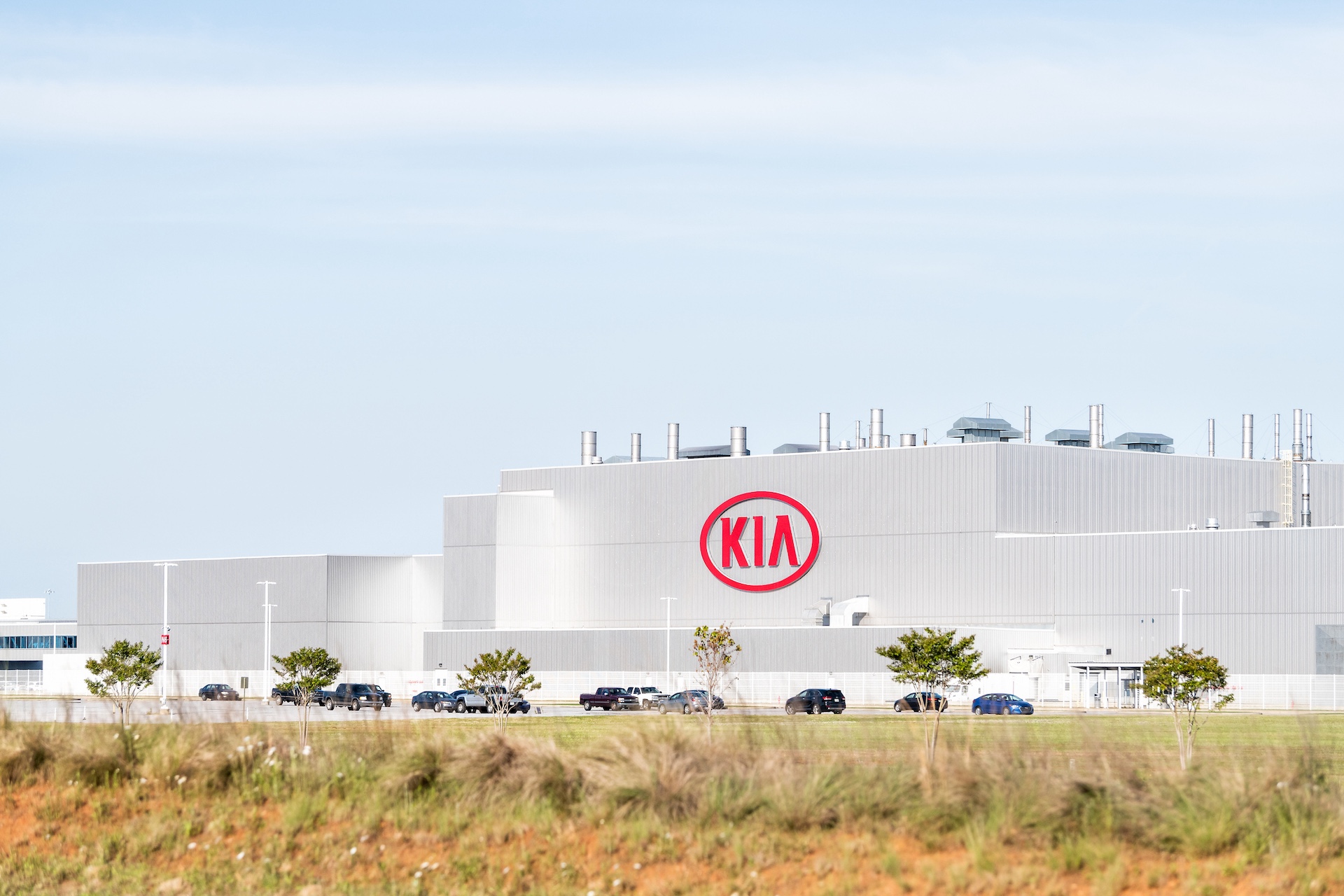
This year, Kia commemorates its 50th anniversary as a passenger vehicle manufacturer, highlighting its enduring legacy and dedication to innovation and excellence. Originally a bicycle parts manufacturer, Kia has evolved into a global automotive leader, recognized for its cutting-edge vehicles and commitment to sustainable mobility.
From Bicycles to the Original Brisa
Kia’s story began in 1944 when it was founded as Kyungsung Precision Industry, producing steel tubing and bicycle parts. Fast forward to 1974, the company unveiled its first passenger car, the Brisa, marking the beginning of Kia’s automotive legacy. This modest sedan, built with 90% locally sourced parts, became a symbol of resilience and a favorite among taxicab drivers in Korea.
Navigating Challenges and Achievements
During the 1980s, Kia encountered considerable obstacles, including government restrictions that temporarily halted passenger car production. Nevertheless, the resilient company adapted and resumed manufacturing by introducing Mazda-based models. By 1993, Kia debuted in the U.S. market, launching with four dealerships in Portland, Oregon, and setting the stage for international growth.
Shaping the Future of Mobility
Kia’s commitment to innovation shines through its recent achievements, such as introducing a new logo and brand philosophy, “Movement that Inspires,” in 2021. This reflects its dedication to dynamic design and sustainable mobility. The launch of the EV6, Kia’s first dedicated electric vehicle, marks a significant step toward clean mobility solutions, aligning with its Plan S strategy for prioritizing eco-friendly vehicles.
Kia’s design evolution is highlighted by milestones like the “Tiger Nose” grille introduced in 2007 and the 2017 unveiling of the Proceed Concept. The brand’s dedication to design has earned numerous accolades, including multiple Red Dot Design Awards, demonstrating its ability to blend aesthetic appeal with functionality.
Commitment to Quality and a Vision for the Future
Kia’s focus on quality is highlighted by its consistent recognition as the highest-ranked mass-market brand in J.D. Power’s Initial Quality Study. This commitment to excellence is reflected in the brand’s extended 7-year warranty, offering peace of mind to customers worldwide. Looking ahead, Kia continues to be at the forefront of automotive innovation. Its recent unveiling of the Concept EV9, a vision of sustainable mobility, underscores the brand’s commitment to leading the charge in electric vehicle development. With a growing lineup of EVs, including the recently launched EV3 subcompact crossover, Kia is poised to shape the future of transportation.
Take Part in Kia’s History of Excellence
As Kia celebrates its 50th anniversary, it remains dedicated to pushing boundaries and inspiring movement. Join us in honoring this remarkable journey by exploring Kia’s diverse range of vehicles by visiting Casa Kia today and experiencing the best of what Kia has to offer. Test drive the brand-new 2025 Kia Sportage, discover Kia’s incentives, and speak to our experts to find the true lengths of our brand’s historic quality. We look forward to seeing you at Casa Kia!

Every first Friday of October, the United States celebrates National Manufacturing Day (MFG Day). This event, started by the Manufacturing Institute, highlights manufacturing’s economic importance and showcases career opportunities. For the auto industry, MFG Day is a chance to recognize its contributions and anticipate future innovations.
The Importance of MFG Day
MFG Day is not just a one-day event; it kicks off a month-long celebration of Manufacturing Month. Thousands of companies and educational institutions open their doors to students, parents, educators, and community leaders. The aim? To educate the public about the realities of modern manufacturing and inspire the next generation to pursue careers in this vital sector.
In the context of the auto industry, MFG Day is particularly significant. American manufacturers have been at the forefront of technical development for over two centuries, and the automotive sector has played a crucial role in this legacy. From the assembly lines of the past to today’s cutting-edge electric vehicle (EV) production, the auto industry exemplifies American innovation and resilience.
The State of the Automotive Industry
The automotive industry is a powerhouse of economic activity and innovation. By 2030, it’s anticipated that the automotive industry will achieve nearly $9 trillion in revenue and sales. In 2020, the U.S. Motor Vehicle and Retail Parts trade revenue was $1.25 trillion. The United States produced 8.8 million vehicles in 2020, which was 19% less than in 2019. In 2021, nearly 15 million vehicles were sold across the United States. The global automotive manufacturing market was valued at more than $2.8 trillion USD in 2021. The automotive industry employs more than 1.7 million people in the U.S. alone, with roles ranging from design and engineering to supply chain management and sales.
Highlighting Key Trends in Auto Manufacturing
This year’s MFG Day comes at a pivotal time for the auto industry, as it embraces significant trends and shifts:
1. Electric Vehicles (EVs)
The push towards electric vehicles is one of the most profound changes in the auto industry. By 2030, it’s estimated that 26% of net car sales will be electric vehicles, with 58 million new self-driving cars hitting the roads. President Biden’s Investing in America agenda underscores this shift, with the U.S. Department of Energy (DOE) announcing $1.7 billion to support the conversion of 11 shuttered or at-risk auto manufacturing and assembly facilities across eight states to manufacture electric vehicles and their supply chain.
2. Workforce Development
One of the most exciting aspects of MFG Day is the focus on career opportunities in manufacturing. The auto industry offers a wide range of high-paying jobs, yet there’s a significant gender disparity, with only 15% of production workers being women. Efforts are underway to diversify the workforce and promote equal employment opportunities, ensuring that everyone has a chance to contribute to this dynamic industry.
3. Sustainable Manufacturing
Sustainability is at the forefront of modern manufacturing. The Domestic Manufacturing Auto Conversion Grants program, funded by the Inflation Reduction Act, aims to expand the production of efficient hybrid, plug-in electric hybrid, plug-in electric drive, and hydrogen fuel cell electric vehicles. This initiative aligns with President Biden’s Justice40 Initiative, which seeks to ensure that 40% of the benefits of federal investments flow to disadvantaged communities.
4. Community and Economic Revitalization
The conversion of auto manufacturing facilities supports American workers and revitalizes communities that have long been the backbone of the U.S. economy. These investments not only create thousands of new jobs but also help retain highly skilled union workers, supporting the great comeback story of American manufacturing.
Celebrate American Manufacturing
If you’re passionate about the auto industry and want to see firsthand how modern manufacturing is shaping the future, we encourage you to participate in MFG Day events. Whether you’re a student exploring career options, a parent supporting your child’s interests, or an educator looking to inspire your students, there’s something for everyone.
Join the celebration and learn all about the American manufacturing industry. Together, we can drive the future of the auto industry in the United States and ensure its continued success for generations to come. Take advantage of the best to come out of the American auto industry at Casa Kia by test-driving our many Kia vehicles like the brand new 2025 Kia K5, manufactured right here in the United States. We look forward to seeing you at our dealership!

Kia and Hyundai are making headlines in 2024 with their innovation in the automotive industry. From new battery production facilities to advanced thermal management systems and acclaimed engine performance, they are setting new benchmarks.
US-Sourced Battery Arriving Earlier Than Expected
Exciting news is brewing in Georgia. Hyundai Motor Group has accelerated its plans for a U.S.-sourced battery for the Kia EV9, which is expected to arrive earlier than anticipated. Although the specifics on the origin of this battery remain under wraps, Hyundai’s partnership with LG Energy Solution and SK On in Georgia is pivotal. The LG-partnered battery facility in Bryan County is slated to begin production next year, while the SK On venture in Bartow County will start in the latter half of next year. This development underscores a significant step forward in localizing battery production and enhancing supply chain resilience.
Hyundai & Kia Present Three New Thermal Management Systems
At the recent ‘Heat Tech Day’ in Seoul, Hyundai and Kia introduced innovative temperature control technologies to enhance comfort and energy efficiency in electric vehicles. The Nano Cooling Film reduces cabin temperatures by over 12°C by filtering infrared rays, cutting the need for air conditioning. The Underfloor Radiant Heating System quickly warms passengers’ legs, saving up to 17% of energy use in colder climates. The Metal-Coated Heated Glass efficiently clears frost and blocks up to 60% of solar energy, maintaining a cooler interior and improving energy savings.
Hyundai, Kia EVs Named Wards 10 Best Engines
The accolades keep coming. Hyundai Motor Group’s powertrain systems have once again been recognized in Wards Auto’s 10 Best Engines & Propulsion Systems list. This year, the honor goes to the powertrains of Hyundai’s IONIQ 5 N and Kia’s EV9 GT-Line.
The IONIQ 5 N stands out with a robust 478 kW (650 horsepower) delivered by its front and rear motors, coupled with a high-performance 84.0 kWh battery. On the other hand, the EV9 boasts an impressive 99.8 kWh battery, providing a range of up to 311 miles per charge. Both vehicles have been praised for their exceptional performance, efficiency, and cutting-edge technologies, securing Hyundai’s third consecutive victory in this category.
Kia Sportage Hybrid SX-Prestige for 2024 Features Great Tech
While electric vehicles are stealing the spotlight, hybrid technology is also making strides. The 2024 Kia Sportage Hybrid SX-Prestige AWD stands out with its blend of performance and technological sophistication.
Powered by a 1.6-liter gas engine delivering 177 horsepower and 195 pound-feet of torque, the Sportage Hybrid offers an impressive 38 MPG in both city and highway driving. Inside, passengers enjoy ample legroom, a panoramic roof, and a seamless 12.3-inch digital display that integrates both driver information and infotainment controls. The SUV’s exterior design, featuring black gloss accents and LED projection lights, ensures it looks as good as it performs.
Discover the Future of Driving Today with Casa Kia!
Kia and Hyundai are at the forefront of automotive innovation, continually pushing the boundaries with technological advancements. From state-of-the-art battery production facilities and revolutionary thermal management systems to award-winning powertrains, these companies are shaping the future of electric and hybrid vehicles.
Curious on how to get your hands on these upgrades? Visit Casa Kia to learn more about all of our Kia models and schedule a test drive today! From the Kia Sportage to the Kia Telluride, we can help you chose the new vehicle that best suits your needs and ensure you drive home happy!

Square dancing has captivated generations with its rhythmic steps, vibrant music, and sense of unity. Deeply rooted in American culture, it is significant in Southern states like Texas, Arizona, New Mexico, and Oklahoma. Let us explore the origins, evolution, and cultural importance of square dancing in America and ‘the West’!
The Origins of Square Dancing
Square dancing originated from various European folk dances, like the English Morris dance, French quadrille, and Scottish reel, brought to America by European immigrants in the 17th and 18th centuries. Over time, these styles blended into the American square dance we know today. The quadrille, involving four couples in a square, greatly influenced square dancing’s development. After the American Revolution, it became a popular social activity in the new nation. By the 19th century, square dancing had spread widely in America, especially in rural areas, becoming a fixture at social gatherings. African-American communities played a key role, often serving as musicians and introducing the practice of “calling”—announcing dance steps. This innovation is now a defining feature of square dancing.
Square Dancing in the Southern States
Square dancing, cherished across the nation, holds a special significance in the cultural fabric of Southern states like Texas, Arizona, New Mexico, and Oklahoma. This vibrant tradition flourishes in the Southwest, with each state infusing the dance with its unique flair. In Texas, square dancing is more than just a pastime—it’s a way of life. Numerous clubs and large-scale events attract enthusiasts nationwide, underscoring its role as a cultural cornerstone that celebrates community and tradition.
In Arizona and New Mexico, square dancing is enriched by the Southwest’s cultural diversity, blending Native American and Mexican folk traditions. This fusion acts as a cultural bridge, fostering mutual appreciation and understanding. Meanwhile, in Oklahoma, the dance is intertwined with the state’s cowboy culture, embodying a rugged, independent spirit that makes it a beloved local pastime. Together, these states form a dynamic hub for square dancing, honoring its historical roots while celebrating its enduring cultural significance.
Key Milestones in Square Dance History
In the early 20th century, square dancing faced a decline as other forms of entertainment gained popularity. Henry Ford, the famous industrialist, played a pivotal role in reviving the dance. He sponsored square dance clubs and events, ensuring the tradition’s survival and inspiring a new generation of enthusiasts. Educator Lloyd Shaw was instrumental in transforming square dance from a regional folk activity into a national phenomenon.
After World War II, Shaw integrated square dancing into high school physical education programs across the country, helping to standardize calls and choreography. Today, square dancing has evolved into two primary forms: Traditional Square Dance, known for its regional varieties and simpler, pre-determined calls, and Modern Western Square Dance, which evolved in the 1970s and features more complex calls, improvisation by callers, and a broader range of music.
The Spirit of Square Dancing and Americana
Square dancing stands as a testament to America’s cultural diversity and spirit of innovation. Whether you’re a history enthusiast or simply someone looking to try something new, square dancing offers a delightful way to connect with others and celebrate our shared heritage.
Ready to step into the enchanting world of square dancing? Put on your dancing shoes, find a partner, and join the community that keeps this timeless tradition alive. Much like square dancing, cars are a central part of the American way of life. Visit Casa Kia of El Paso and keep the American dream alive with all the cars and SUVs you could ever wish for! Whether you’re going to the honky tonk, need something that can tow for work, or simply want to cruise in style, we have what you need. We look forward to seeing you at Casa Kia!
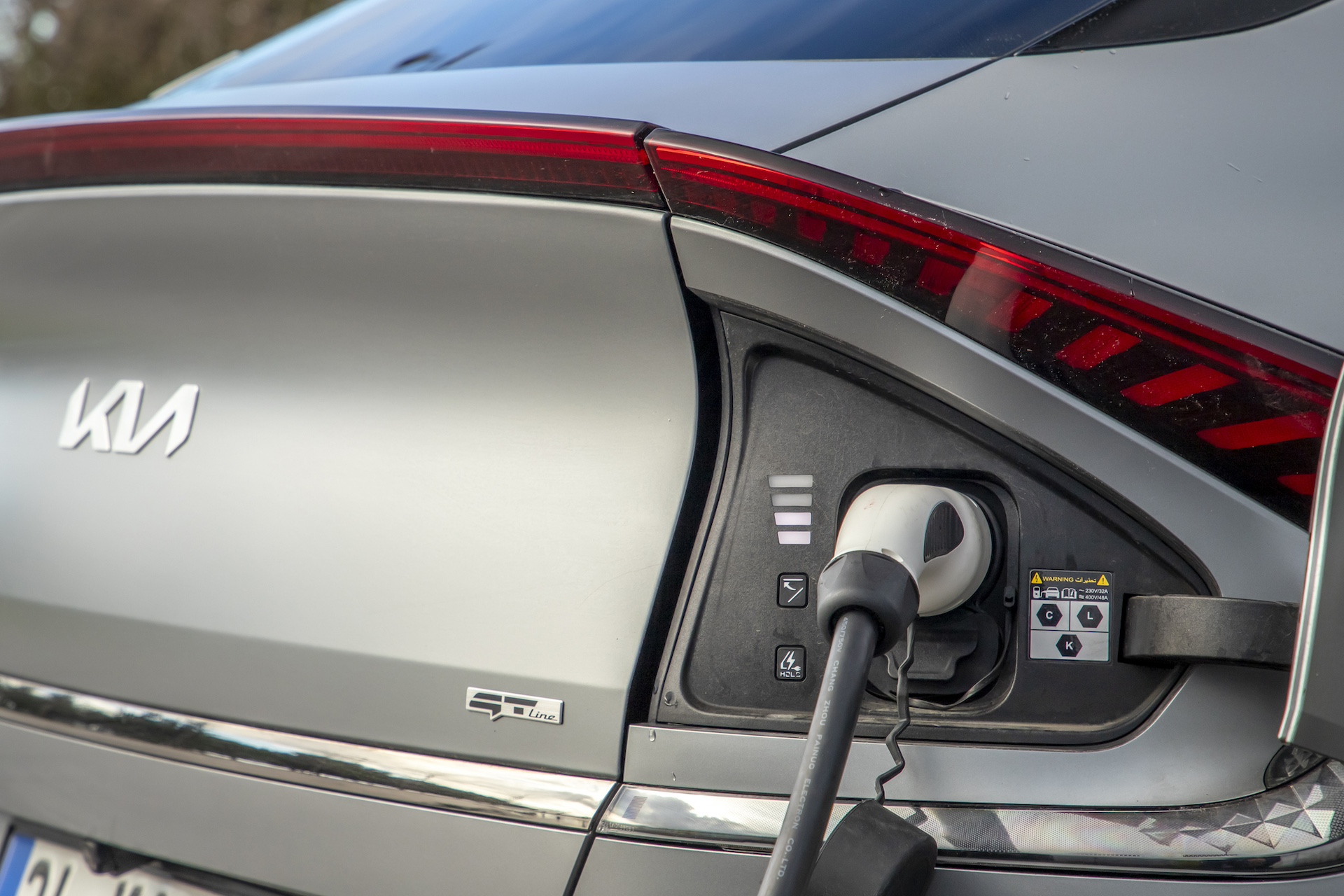
In the fast-paced electric vehicle market, the Kia EV6 stands out with lasting appeal beyond its initial hype. Launched in 2021, it continues to win fans and accolades. Here’s why the EV6 remains a popular choice, especially for its game-changing charging capabilities.
Fast Charging That Truly Delivers
The new Kia EV6 delivers impressive charging speeds. While you take a 10-minute break for snacks, a bathroom stop, or a quick store run, the EV6 can boost its charge from 39% to 80% at a 350 kW Electrify America station. Thanks to its 800-volt electrical architecture, the EV6 can charge from 10% to 80% in just 18 minutes on a 350 kW fast charger, making long-distance travel much more convenient and minimizing downtime on your journeys.
A Perfect Blend of Performance and Range
With a combined 320 horsepower and 446 pound-feet of torque, the dual-motor EV6 is one of the most powerful EVs available. It accelerates from 0 to 60 mph in under five seconds, offering exhilarating performance without compromising on range. The EV6 Wind AWD features a 77.4-kWh battery pack, providing an EPA-rated 282 miles of range, with some users reporting over 300 miles at 100% charge. This is impressive for a dual-motor vehicle and nearly matches the range of single-motor EVs like the Volkswagen ID.4.
User-Friendly Tech and Charging Infrastructure
One of the standout features of the EV6 is its ability to find and guide users to nearby chargers. The car warns if there may not be enough range to reach the final destination and suggests nearby charging stations, complete with different speeds and stall availability. This makes road trips less stressful and more enjoyable. Most charging is done at home using a solar-powered ChargePoint Level 2 plug, which is convenient and cost-effective. However, the EV6’s exceptional performance at DC fast chargers makes it a reliable option for longer journeys.
Award-Winning Durability and Design
The all-electric Kia EV6 has received multiple accolades, including the 2024 Winter Vehicle Award from the New England Motor Press Association (NEMPA) for the third consecutive year. This recognition highlights the EV6’s engineering excellence and durability in harsh climatic conditions. “New England winters are the defining, real-world tests of vehicle durability, and the EV6 rises to the occasion as temperatures drop,” said Steven Center, COO & EVP, Kia America.
Comparing the Kia EV6 to Upcoming Models
The Kia EV3 is joining Kia’s lineup as a potentially more affordable option with high-end features and solid range, while the EV6 stands out with its sleek design, excellent range, and faster charging capabilities. Although the EV3 will be budget-friendly, the EV6 remains the top choice for those seeking performance and advanced tech features. A testament to well-designed EVs, the Kia EV6 boasts rapid charging, impressive performance, and user-friendly features, making it a favorite among enthusiasts. For those considering an electric vehicle or looking to upgrade, the EV6 offers a compelling blend of innovation and reliability. Plus, stay tuned for the highly anticipated 2025 model of the EV6, set to hit the market later this year, promising to elevate the driving experience with exciting updates and features. Don’t miss the chance to be among the first to explore the future of electric vehicles!
Experience the Kia EV6 for Yourself
Ready for some quality shock and awe? Test drive the Kia EV6 today at Casa Kia and feel the thrill of its performance and cutting-edge technology firsthand. With its award-winning durability, versatile design, and exceptional charging capabilities, it’s no wonder the Kia EV6 continues to be a top choice for electric vehicle enthusiasts.
Don’t miss out on experiencing the future of driving with the Kia EV6. So why wait? Visit Casa Kia today and join the growing community of satisfied Kia EV6 owners!
Connect with us


Recent Blog Entries
Categories
 Warranties include 10-year/100,000-mile powertrain and 5-year/60,000-mile basic. All warranties and roadside assistance are limited. See retailer for warranty details.