

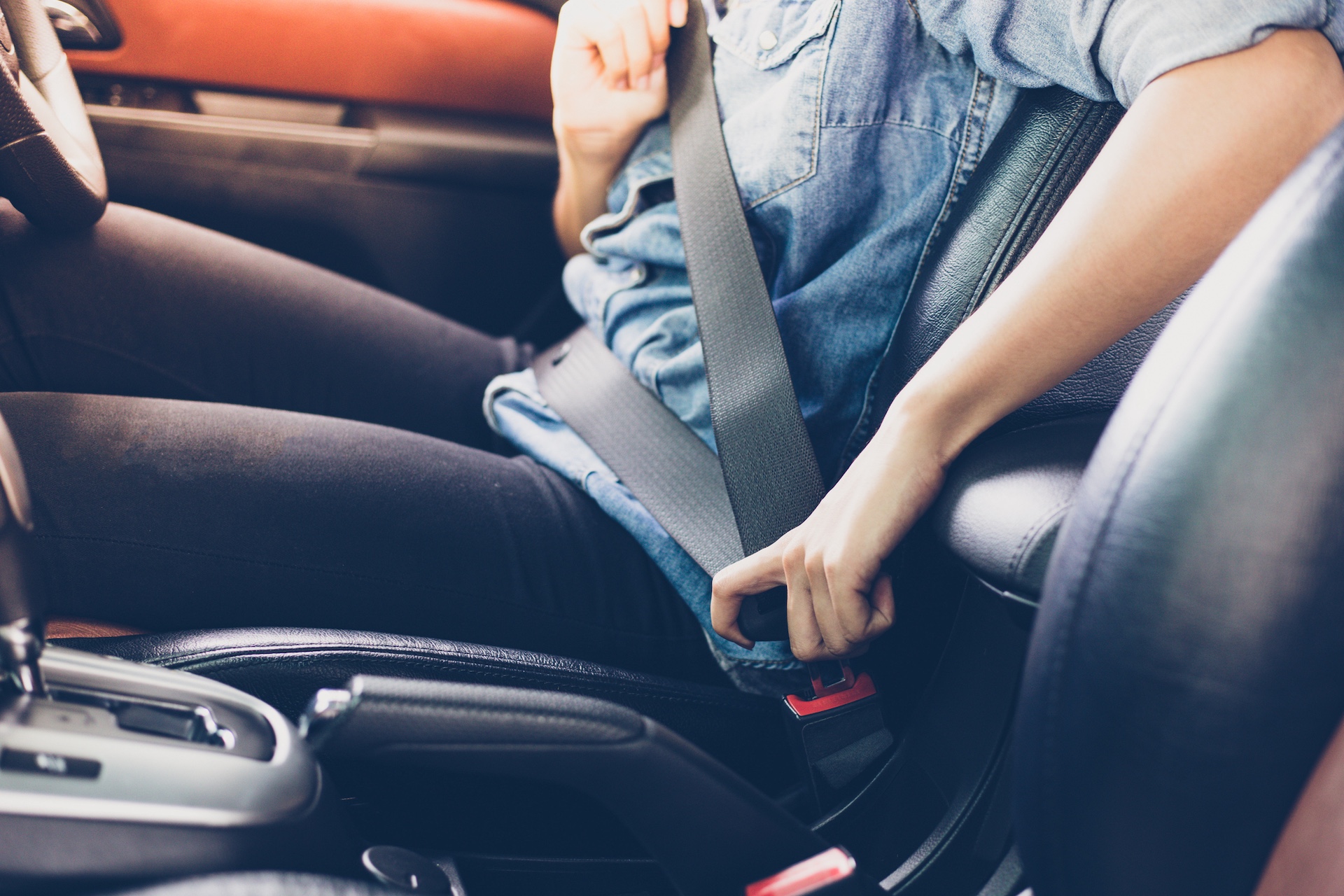
On November 14th each year, we recognize National Seat Belt Day, highlighting the life-saving capabilities of that straightforward buckle. This occasion provides a chance to reflect on the historical relevance of seat belts while also raising awareness about their essential role in maintaining road safety.
The Importance of National Seat Belt Day Matters
Established in 2019 by the Governors Highway Safety Association (GHSA), alongside Uber and Volvo, National Seat Belt Day serves as a vital reminder of the importance of the three-point seat belt, originally designed by Nils Bohlin in 1959. This simple yet revolutionary invention has proven to be one of the most significant safety advancements in automotive history, saving countless lives and remaining a key element of vehicle safety. Often underestimated, the seat belt is a quiet champion of road safety. Consider these striking statistics: seat belts decrease fatalities by 45% for front-seat occupants and drivers, cut serious injuries by 50%, and work in tandem with airbags—making their use crucial since unrestrained passengers can face greater risks.
Observing National Seat Belt Day
Buckling up every time you get into a vehicle is a simple yet crucial action for your safety. By wearing your seat belt consistently, you can significantly reduce the risk of injury. Be a role model and encourage those around you to do the same, ensuring all passengers are properly buckled up, whether it’s a short drive or a long journey.
Spread awareness about the importance of seat belts through conversations and social media. Share stories, statistics, and experiences to emphasize why buckling up is vital. Educating children on this habit can lead to lifelong safety practices. Engage them with activities like the Buckle Up Buddy Heart craft and Ride Safe activity sheet to teach road safety effectively.
The History of Seat Belts and Road Safety
The history of seat belts is a testament to progress in automotive safety. From the first patent by Edward J. Claghorn in 1889 to the mandatory inclusion of seat belts in all U.S.-manufactured vehicles by 1968, the evolution of seat belt usage reflects a growing commitment to protecting lives on the road.
Despite initial resistance, where critics argued that seat belts might trap passengers during accidents, the evidence soon proved otherwise. By 1968, seat belts were a federal requirement, and their use has been steadily increasing, with the national usage rate rising from 58% in 1994 to nearly 92% in 2023.
Fast Facts About Seat Belts
- Influence on Youth: Children whose parents use seat belts are more likely to buckle up themselves.
- Rural vs. Urban: Despite assumptions of safety, rural areas often see higher rates of unrestrained fatalities.
- Back Seat Safety: Rear-seat passengers must also buckle up to ensure maximum safety during a crash.
Buckle Up, Every Time, Everywhere!
National Seat Belt Day is more than just a date on the calendar; it’s a call to action. It’s a reminder that we hold the power to protect ourselves and our loved ones with the simple act of buckling up. This November 14th, Visit Casa Kia in Texas to celebrate the innovation of the seat belt with Kia’s commitment to safety and make every ride a safe one.Share the message, inform those in your circle, and above all, buckle up every time you enter a vehicle. Keep in mind, it’s not merely about dodging a fine—it’s about protecting lives. If your vehicle needs maintenance to guarantee safety, stop by our service center for top-notch repairs, parts, and tires! We can’t wait to assist you.
![[Facebook]](https://www.casakia.com/blogs/912/wp-content/plugins/bookmarkify/facebook.png)
![[LinkedIn]](https://www.casakia.com/blogs/912/wp-content/plugins/bookmarkify/linkedin.png)
![[Twitter]](https://www.casakia.com/blogs/912/wp-content/plugins/bookmarkify/twitter.png)
![[Yahoo!]](https://www.casakia.com/blogs/912/wp-content/plugins/bookmarkify/yahoo.png)
![[Email]](https://www.casakia.com/blogs/912/wp-content/plugins/bookmarkify/email.png)
Connect with us


Recent Blog Entries
Categories
 Warranties include 10-year/100,000-mile powertrain and 5-year/60,000-mile basic. All warranties and roadside assistance are limited. See retailer for warranty details.